Michigan
Bear Den
Gichigamiminisinoowag
Lake Superior Warriors
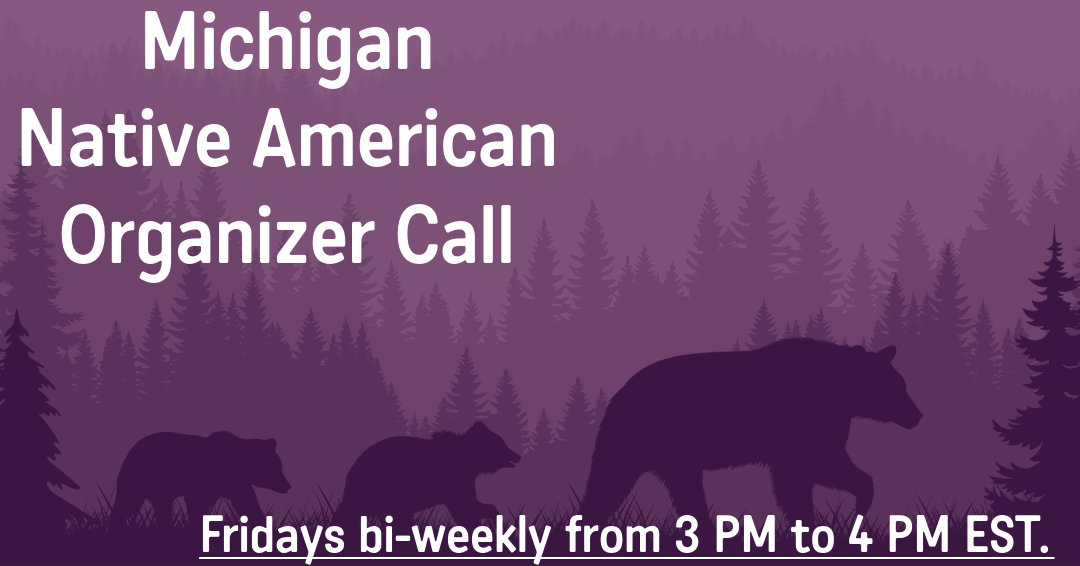
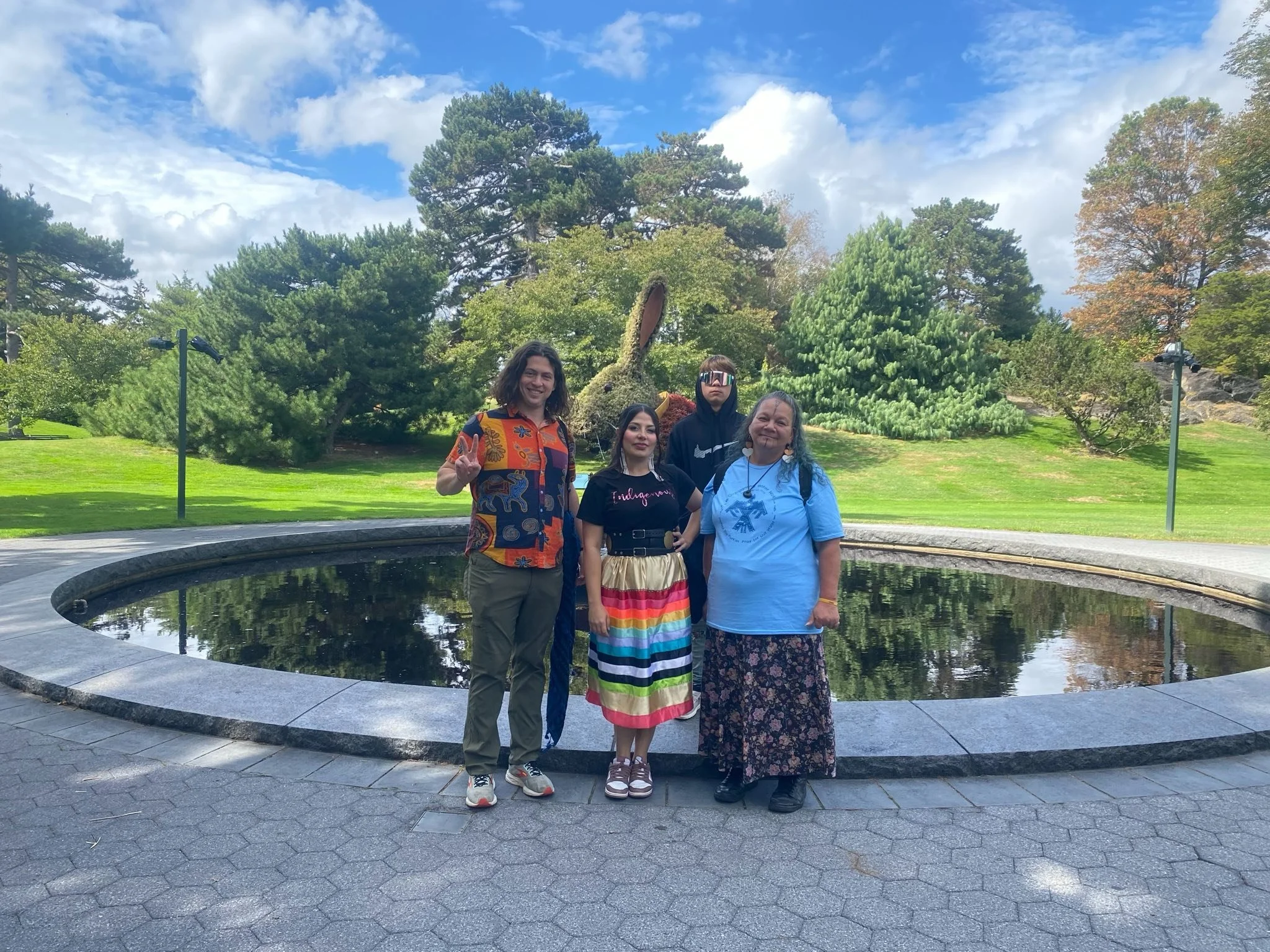
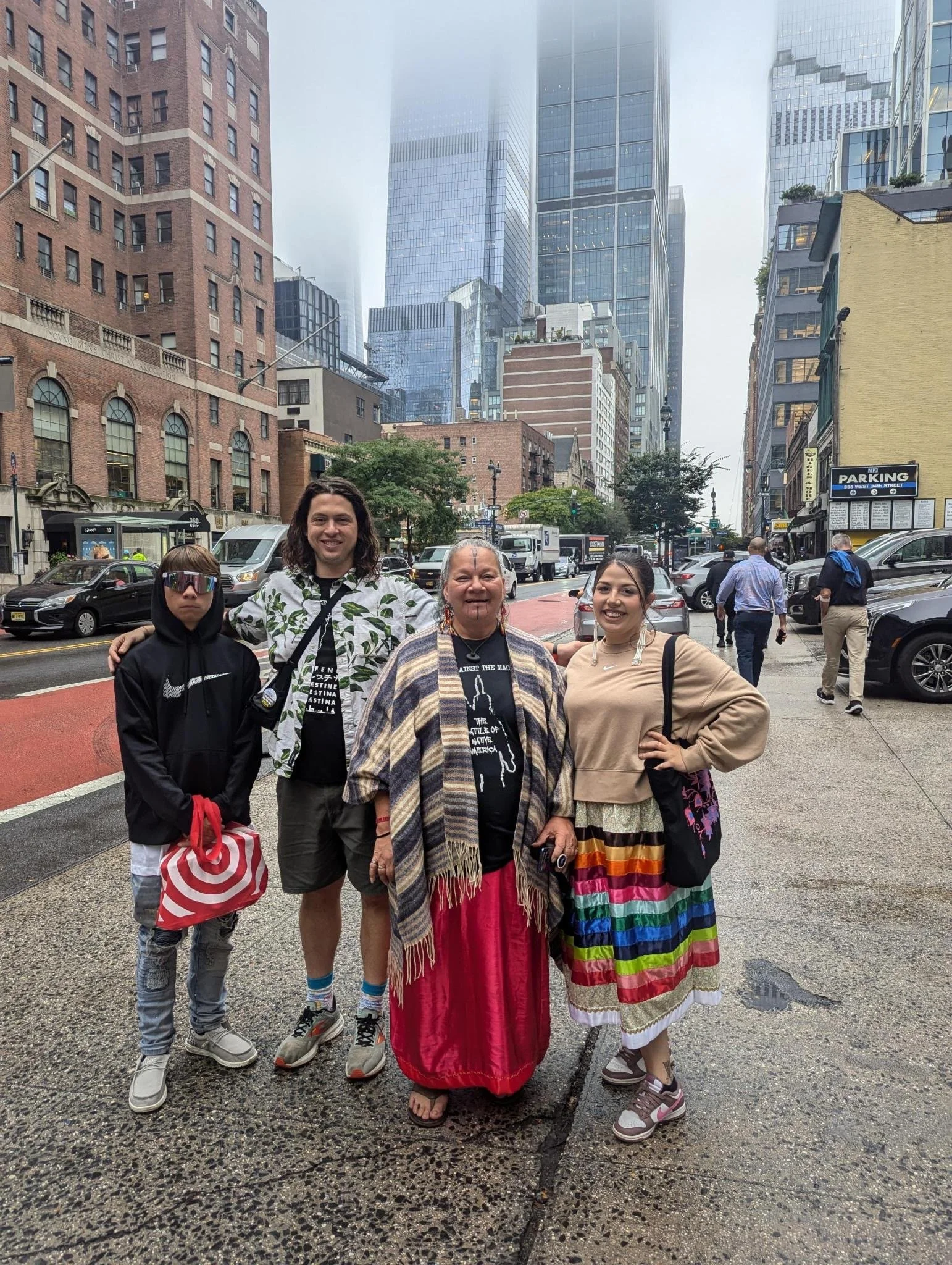
The Lake Superior Warriors, Michigan Bear Den emphasizes the cultural and environmental challenges faced by the Tribal Nations and allied communities in Michigan. We organize local Bear Den gatherings within the Keweenaw Bay Indian Community and hold a state-wide Native American organizer call every other Friday from 3 PM to 4 PM EST. Additionally, we have committed staff members representing Mukwa as they foster community, offer mutual aid, and strengthen dual power among Michigan's local communities.
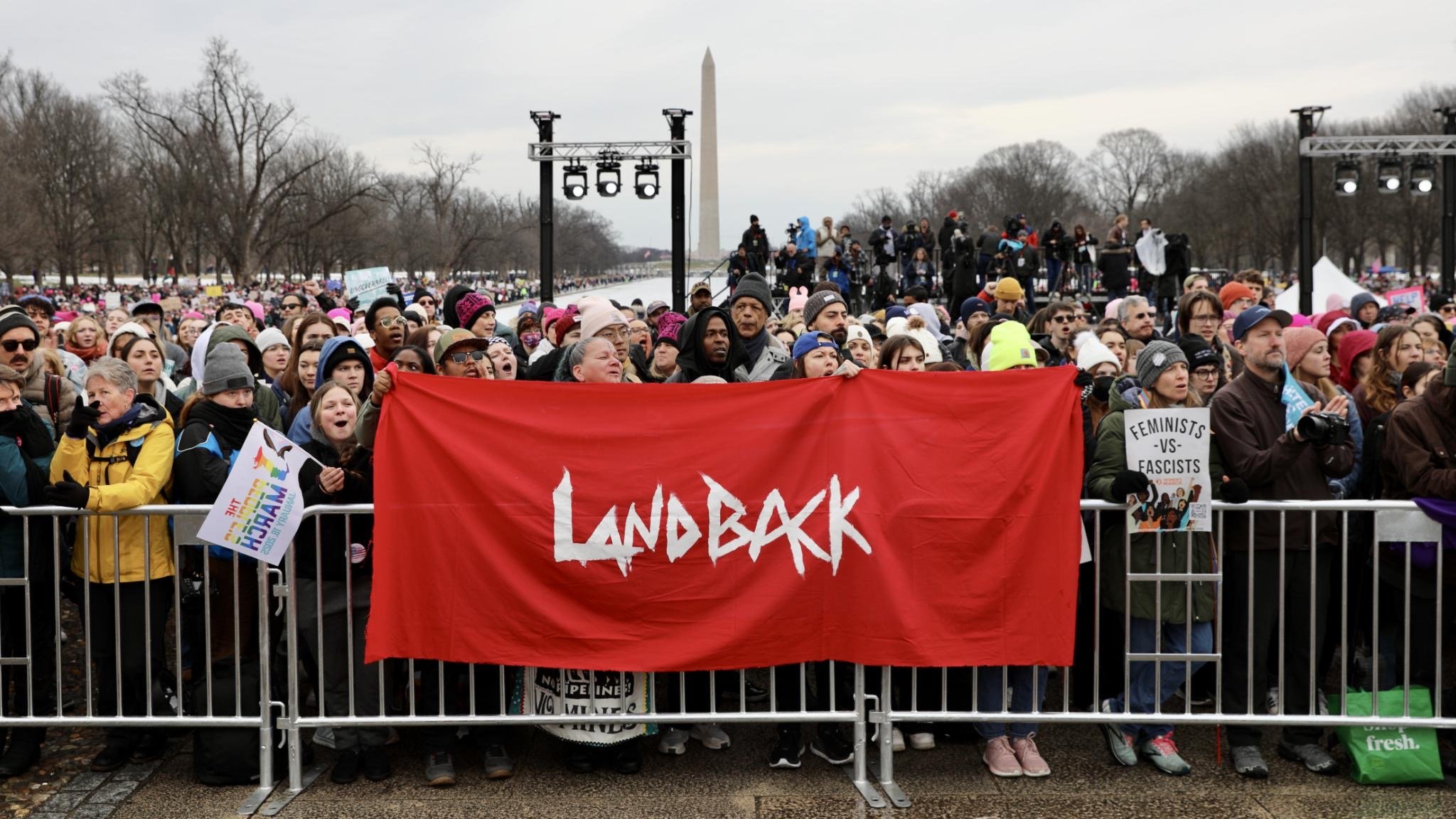
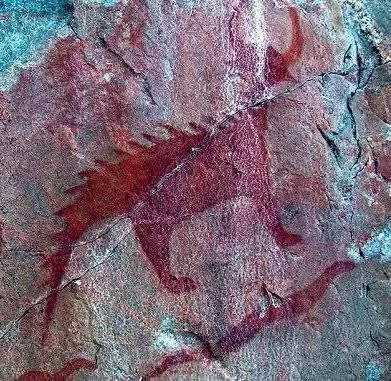
Mukwa Keep it in the Ground!
Mining companies have a long history of violating treaties by harming the ecosystems that support fish and wildlife populations. The Keweenaw Bay Indian Community has spent decades trying to clean up century-old mining waste that pollutes its reservation and smothers fishing grounds.
The Copperwood Mine sits in territory ceded in the 1842 Treaty of La Pointe, any potential contamination would threaten Anishinaabe treaty rights to hunt, fish and gather in ceded territory which will result in costing billions of dollars to fix.
At Mukwa we are organizing for urgent action against the extractive, exploitive destruction of mining.
Protect the Porcupine Mountains
A Brief History Prior to the arrival of French explorers in the early 17th century, a diverse array of Central Algonquian peoples inhabited the region surrounding Lake Superior and its tributaries. The indigenous tribes that encountered the French in the Upper Peninsula during this period included the Eastern Ojibwe, who resided in the Sault St. Marie area, who inhabited the central interior and established seasonal villages along the Washington Islands Archipelago, and to the north where they held their governmental and spiritual meetings.
Along the Western Upper peninsula shores to Chocolay River. Notably, the Western Ojibwe, also known as the Chippewa or Ojibwe/Ojibwewanishinaabe, and the Nooke people populated the Northern and Western regions of the Upper Peninsula. Additionally, the Menominee tribe occupied the southwestern corner of the Upper Peninsula. Following the signing of the 1854 Treaty of LaPointe, the Upper Peninsula was ceded to the Ojibwe, who undertook the surveying of the land.
The Ojibwe are part of the Anishinaabe people, a collective group comprising three distinct yet linguistically and culturally related tribes: the Ojibwe, Odaawaa, and Oboodewaadomi. These groups share a common ancestry within the Central Algonquian-speaking peoples. Approximately 3,000 years ago, the Anishinaabe existed as a single entity, with the Odaawaa separating from the Ojibwe around 2,000-2,500 years ago, followed by the Oboodewaadomi around 1,500 years ago. Despite the subsequent treaties, the Anishinaabe have maintained their unity. Around 2,000 years ago, the Anishinaabe began migrating westward from the Rama Peninsula, driven by a prophecy of wild rice, ultimately establishing their homelands around Lake Superior.
Sign up here to join the Michigan Bear Den and get Minnesota specific updates, call-to-actions and events!
The Odaawaa claimed extensive territories in the Lower Peninsula, encompassing lands inhabited by the Kickapoo, Myammia, Wyandot (Huron), and Sauk. These territories were integral to the Anishinaabe's ancestral homelands, which were inhabited by their Central Algonquian. Research has linked the Anishinaabe to the Adena culture and revealed their long-standing trade relationships with the Hopewell people. The term Anishinaabe translates to 'the spontaneous ones,' reflecting their history and traditions, which were meticulously recorded on birch bark scrolls (Ozhibii’iwe). Although the Anishinaabe comprise three distinct groups – the Odaawaa ('Traders'), Oboodewaadomi ('Keeper of the Fire'), and Ojibwe ('Keepers of the Faith') – they remain a unified people. The presence of the Odaawaa and Oboodewaadomi in the Upper Peninsula was relatively recent, yet their bond as Anishinaabe remained unbroken. Baraga, Ontonagon, Gogebic, and Iron Counties Ojibwe The Algonquian peoples, including the Ojibwe, were nomadic. Upon French arrival, the Ojibwe inhabited the lands within Baraga, Ontonagon, Iron, and Gogebic Counties. The Porcupine Mountains held significant cultural and spiritual importance, serving as a seasonal, recreational, and communal hub for various Algonquian tribes, particularly the Ojibwe. Many ancient mounds remain within the Porcupine Mountains' corridors, testifying to the enduring presence of the Anishinaabe people
Mukwa vs Fossil Fuels
Mukwa is a member of the People Vs Fossil Fuels coalition, which aims to urge the federal government to "declare a climate emergency and halt the federal approval of any new fossil fuel projects." Mukwa has committed staff to participate in the weekly national coalition call for members.
Mukwa relies on small grants and community donations for funding. Your support is crucial to our efforts, and your contributions can significantly impact our organizing initiatives.